

Hands-On Education forReal-World Futures
At the Lighthouse Milton 6–12 Campus, students combine Christian faith and core academics with practical learning that helps them discover how their abilities can become a future.
Through trade exploration, hands-on STEM, athletics, leadership, and purposeful academic planning, students are encouraged to learn by doing, solve real problems, and prepare for college, technical education, employment, entrepreneurship, military service, or another path after graduation.
6225 Dixie Road, Milton, FL 32570
Faith. Skills. Purpose. Stingray Pride.
Education That ConnectsLearning With Life
Not every student discovers a future by sitting at a desk all day. Some students understand more when they can see how a concept works, practice a skill, complete a process, solve a practical problem, and produce something meaningful.
The Milton Campus gives students opportunities to connect core academics with hands-on learning, trade exploration, responsibility, teamwork, and future planning within a Christian environment.
Learn by Doing
Students connect ideas to practical activities, real materials, processes, and problems.
Explore Career Interests
Trade exposure can help students better understand their interests, strengths, and possible future directions.
Build a Strong Work Ethic
Preparation, attendance, effort, responsibility, safety, and completing assigned work all matter.
Solve Real Problems
Students learn to assess a situation, consider options, apply knowledge, make adjustments, and improve their work.
Work as a Team
Hands-on projects teach communication, role responsibility, cooperation, and respect for others.
Grow in Faith and Character
Christian principles help guide conduct, relationships, service, honesty, and the responsible use of a student's abilities.
The Milton Campus does not ask every student to follow the same path. It helps students explore appropriate possibilities and make more informed decisions about life after graduation.

Trade Exploration With a Purpose
Trade education gives students a chance to understand how academic knowledge, technical ability, safety, teamwork, and responsibility come together in real work.
At Milton, hands-on learning helps students explore possibilities beyond a single definition of success. College remains a valuable option, but students may also discover interests that lead toward technical education, apprenticeships, industry training, employment, entrepreneurship, public service, or military careers.
Practical Application
Students connect classroom concepts to real tasks, tools, materials, measurements, procedures, and outcomes.
Technical Confidence
Guided practice helps students become more comfortable learning unfamiliar processes and developing new abilities.
Safety and Responsibility
Students learn that following procedures, using protective equipment, respecting tools, and maintaining an organized work area are essential.
Problem-Solving
Hands-on work teaches students to identify a problem, test a solution, learn from results, and make improvements.
Quality and Craftsmanship
Students are encouraged to care about accuracy, completeness, presentation, and the quality of their work.
Career Awareness
Exposure to different trades can help students make better-informed decisions about education and training after graduation.
Trade exploration introduces students to possibilities. Participation does not guarantee certification, employment, apprenticeship placement, licensing, or admission to another program.
Hands-On Areas at theMilton Campus
Public information about the Milton Campus identifies automotive, culinary, agriculture, electrical contracting, plumbing, and law enforcement as hands-on areas of study. These areas are displayed only after Lighthouse confirms their 2026–2027 schedules, grade levels, capacity, instructors, and requirements.

Automotive
Automotive learning can introduce students to vehicle systems, maintenance concepts, safe tool use, inspection, troubleshooting, and the step-by-step thinking required to complete a repair correctly.
Activities depend on grade level, instructor approval, safety requirements, available vehicles, tools, and current course scope.

Culinary
Culinary learning can connect planning, measurement, food preparation, teamwork, timing, cleanliness, presentation, and hospitality within a practical environment.
Activities depend on current facilities, food-safety requirements, ingredients, student eligibility, and course availability.

Agriculture
Agricultural learning can help students understand growing, soil, plant care, food production, harvesting, business processes, responsibility, and the relationship between science and the land.
Agriculture activities may depend on weather, seasons, facilities, crops, equipment, partnerships, and current program plans.
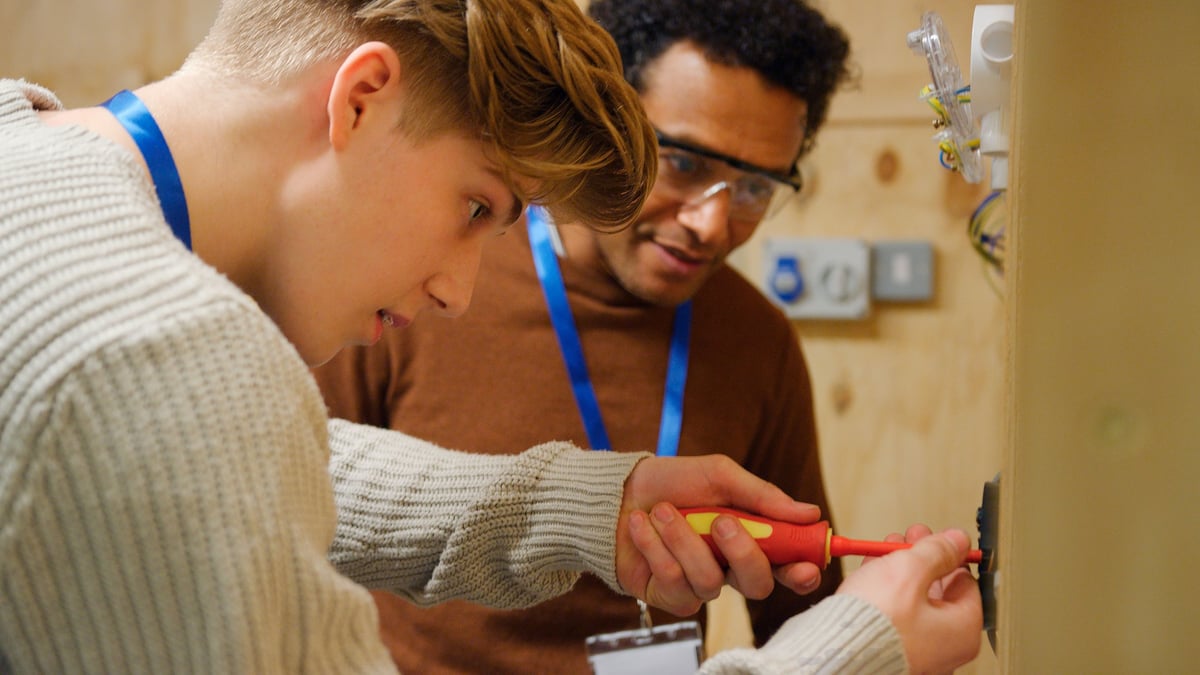
Electrical Contracting
Electrical instruction can introduce eligible students to planning, measurement, circuits, materials, safety principles, and the disciplined process required for electrical work.
Students must remain under qualified supervision and follow all age, safety, permission, and program requirements.

Plumbing Contracting
Plumbing instruction can introduce eligible students to pipes, fittings, fixtures, water flow, measurement, drainage, tools, and the step-by-step process required to complete plumbing work correctly.
Activities depend on grade level, instructor approval, safety requirements, facilities, tools, and current course scope.
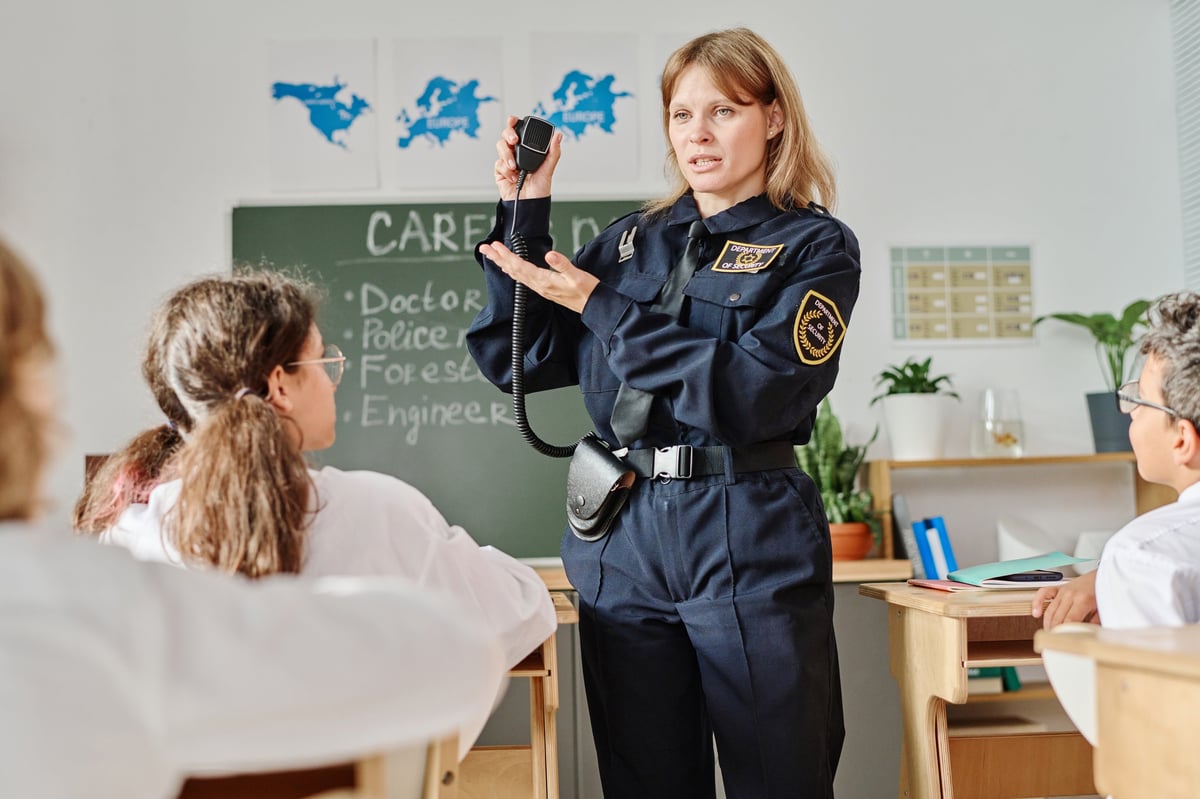
Law Enforcement
The Law Enforcement Academy option is designed for eligible 10th- and 11th-grade students interested in learning about law enforcement, public safety, leadership, responsibility, and service-oriented careers.
Eligibility, curriculum, schedule, activities, costs, and availability must be confirmed directly with Lighthouse.
Learn MoreHands-On STEM
Science, technology, engineering, and mathematics become more meaningful when students use them to measure, calculate, troubleshoot, build, test, and improve.
Ask About Trade Programs
Safety Is Part of the Learning
Hands-on education requires maturity, attention, supervision, and respect for procedures. Students must understand that safety is not separate from the work—it is part of doing the work correctly.
Follow Instructions
Students must listen carefully and complete activities according to instructor guidance.
Use Protective Equipment
Required protective equipment must be worn correctly during applicable activities.
Respect Tools and Materials
Tools, vehicles, appliances, electrical components, and materials must be used only as authorized.
Maintain the Work Area
Organization, cleanup, inspection, and proper storage are part of responsible work.
Know When to Stop
Students should ask questions and seek help when they do not understand a task or identify a possible hazard.
Trade participation may depend on grade level, maturity, conduct, attendance, academic standing, completed safety instruction, parent permission, available space, and instructor approval.
Different Stages, OnePurposeful Direction
Middle School
Middle-school students strengthen core academics while developing organization, communication, responsibility, teamwork, problem-solving, and greater independence. Age-appropriate hands-on experiences can help students discover interests without requiring them to choose a career too early.
- Strong academic foundations
- Positive work habits
- Safe and responsible participation
- Exploration and curiosity
- Teamwork and communication
- Preparation for high-school expectations
High School
High-school students work toward graduation while considering the education, training, employment, service, or career path that may follow. Hands-on programs, trade exploration, academic counseling, athletics, dual enrollment, and other approved opportunities can help students build a more intentional plan.
- Graduation planning
- Trade and career exploration
- Increased technical responsibility
- Work ethic and leadership
- Dual enrollment when qualified
- Planning for college, training, employment, military service, or public service
Available programs, course placement, trade participation, graduation planning, and postsecondary opportunities are reviewed individually.
Strong Skills Matter inEvery Future
Trade education does not replace reading, writing, mathematics, science, social studies, or Christian learning. These subjects support the communication, calculations, reasoning, decision-making, and responsibility required in nearly every career.
Reading and Communication
Understand instructions, technical information, safety requirements, contracts, manuals, and workplace communication.
Writing
Document work, explain ideas, prepare reports, communicate professionally, and organize information.
Mathematics
Measure accurately, estimate costs, work with quantities, understand formulas, and solve practical problems.
Science
Understand systems, materials, energy, agriculture, food processes, mechanics, and the physical world.
Social Studies and Citizenship
Explore history, government, economics, community responsibility, and informed participation.
Christian Learning
Connect knowledge, work, leadership, service, honesty, stewardship, and personal responsibility.
Hands-on ability and academic ability strengthen one another. Students need both knowledge and the judgment to apply it responsibly.
Law Enforcement Academy
Lighthouse has announced a Law Enforcement Academy option for eligible 10th- and 11th-grade Milton students during the 2026–2027 school year.
The program is intended for students interested in learning more about law enforcement, public safety, leadership, responsibility, and service-oriented careers.
Courses are taught by Deputy Sheriffs from the local Sheriff's Office, bringing real-world law enforcement experience directly into the classroom.
Leadership
Practice communication, responsibility, judgment, accountability, and leading by example.
Public Service
Explore the responsibilities involved in protecting and serving a community.
Professional Conduct
Understand the importance of integrity, respect, discipline, confidentiality, and ethical decision-making.
Career Awareness
Learn more about possible law-enforcement and public-safety careers and the education, training, and standards they may require.
Participation requirements, instructors, curriculum, activities, safety rules, partnerships, costs, capacity, and program outcomes must be confirmed directly with Lighthouse.
Participation does not guarantee certification, employment, academy admission, agency sponsorship, eligibility to become a law-enforcement officer, or acceptance by a public-safety agency.
Ask About the Law Enforcement AcademyHelp Students Build a PlanThat Fits Their Future
Students have different abilities, goals, responsibilities, and definitions of success. The Milton Campus encourages families to consider multiple appropriate paths rather than assuming that every student must follow the same route.
Trades and Technical Education
A student may continue developing practical abilities through a trade school, technical college, apprenticeship, employer training, certification program, or another approved pathway.
College and Dual Enrollment
Students interested in college may work toward graduation and, when qualified, explore approved dual-enrollment coursework.
Employment and Entrepreneurship
Hands-on knowledge, communication, dependability, problem-solving, and work ethic can support future employment or business goals.
Military and Public Service
Students considering military service, law enforcement, emergency services, or another public-service path can begin developing discipline, teamwork, fitness, responsibility, and informed career awareness.
Lighthouse provides education, exploration, and planning support. It does not guarantee admission, employment, certification, apprenticeship placement, military eligibility, enlistment, or acceptance by a public agency.
Dual Enrollment Can BePart of the Plan
Qualified Lighthouse high-school students may be considered for approved college-level coursework while continuing to work toward high-school graduation.
Dual enrollment can support a student whose goals include college, technical education, business, public service, or another path requiring postsecondary coursework.
The process begins with Lighthouse. An administrator or academic counselor must review:
- Academic readiness
- Graduation requirements
- Current workload
- Trade-program responsibilities
- Athletic commitments
- Partner requirements
- Deadlines
- Course availability
- Costs, books, and materials
- How the course applies to the student's plan
Dual enrollment is an option for students who qualify. It is not automatic and is not the only successful path available at the Milton Campus.
The receiving college or university determines whether it accepts transfer credit and how that credit applies to a degree or program. Dual enrollment does not guarantee future college admission.
A Practical Foundation for StudentsConsidering the Military
Military service may appeal to students who value structure, teamwork, technical training, physical challenge, responsibility, and service to the country.
The Milton Campus's hands-on learning, trade exposure, academics, athletics, leadership, and work-ethic expectations may help interested students develop useful foundational habits.
Technical Problem-Solving
Many military occupations involve equipment, systems, logistics, maintenance, food service, engineering, communications, agriculture, public safety, and other practical abilities.
Discipline
Attendance, preparation, following procedures, meeting expectations, and accepting responsibility matter in school and service.
Teamwork
Students learn to communicate, perform an assigned role, support others, and contribute to a shared objective.
Physical Readiness
Athletics and healthy habits may help students understand the importance of fitness, perseverance, and personal responsibility.
Career Research
Students should investigate service commitments, entrance requirements, available occupations, training, benefits, risks, and long-term goals with their families.
Lighthouse is a private Christian school—not a military academy or recruiting office. The school does not enlist students or determine military eligibility.
Each military branch establishes its own age, education, testing, medical, fitness, conduct, background, and entrance requirements. Those requirements may change. Students and families should speak directly with an authorized representative of the branch they are considering before making a commitment.

Athletics Build More ThanPhysical Skill
Athletics give students opportunities to compete, build friendships, strengthen their bodies, respond to challenges, and represent Lighthouse.
The habits developed through sports—preparation, discipline, teamwork, resilience, leadership, and sportsmanship—also support hands-on learning and future workplace expectations.
Teamwork
Discipline
Resilience
Leadership
Sportsmanship
Stingray Pride
A Lighthouse student-athlete is a student first. Academic responsibilities, attendance, conduct, eligibility, safety, and team expectations all matter.
Available sports, teams, seasons, grade levels, practices, game locations, tryouts, transportation, equipment, and costs may change. Contact Lighthouse for current information.
Ask About Current AthleticsAcademics, Hands-On Learning,Athletics and Enrichment
The published Milton 6–12 schedule identifies Monday through Thursday as core academic days, with Friday used for athletics, enrichment, and tutoring.
Monday–Thursday
Published hours: 8:30 a.m.–3:30 p.m.
Core academics, approved hands-on programs, trade learning, student responsibilities, and scheduled campus activities.
Friday
Published focus: Athletics, enrichment, and tutoring.
A dedicated day for hands-on and skill-building activity outside the core academic rotation.
Families must confirm the current daily schedule, Friday participation requirements, arrival and dismissal procedures, transportation, program rotations, and calendar directly with Lighthouse.
What Milton FamiliesCan Consider
The right school should support the student's current needs while helping the student prepare for greater independence and life after graduation.
- You want Christian faith and character included in your student's education.
- Your student learns well through practical activity and application.
- You value trade and career exploration alongside core academics.
- Your student may benefit from clear expectations and personal responsibility.
- You want the student to develop problem-solving, teamwork, safety awareness, and work ethic.
- Your student wants to explore automotive, culinary, agriculture, electrical, law enforcement, or another hands-on field.
- You want college and dual enrollment to remain possible for a qualified student.
- Your student may be considering employment, technical education, entrepreneurship, public service, or military service.
- Athletics and school community are important to your family.
- You want direct communication with the campus before making an enrollment decision.
Every student's circumstances are different. Lighthouse reviews admission, grade placement, academic planning, trade participation, available services, dual-enrollment eligibility, athletics, and campus fit individually.
How to Begin at theMilton 6–12 Campus
01 — Explore the Campus
Review the campus's academics, trade programs, hands-on learning, Law Enforcement Academy, dual enrollment, athletics, tuition, and scholarship information.
02 — Talk With the Milton Team
Discuss grade availability, student needs, academic goals, trade interests, current programs, safety requirements, and post-graduation plans.
03 — Schedule a Visit
See the campus, ask questions, and learn how the hands-on environment works.
04 — Submit the Application
Complete the secure Lighthouse application with accurate family and student information.
05 — Complete the Admissions Review
Provide requested records and participate in any meeting, academic review, placement process, or follow-up required by Lighthouse.
06 — Review Program Requirements
If the student is interested in a trade, Law Enforcement Academy, dual enrollment, or athletics, confirm eligibility, availability, safety, scheduling, costs, equipment, transportation, and participation requirements.
07 — Receive Your Next Steps
If admission is approved, Lighthouse will explain the remaining enrollment, tuition, scholarship, document, campus, and program requirements.
Submitting an application begins the admissions process. It does not reserve a seat, confirm admission, or guarantee placement in a trade, law-enforcement, dual-enrollment, or athletic program.
Understand Tuition, Fees andProgram Costs
Families should review current tuition, fees, scholarship information, and possible program expenses before making an enrollment decision.
Tuition & Fees
Review current tuition, school fees, payment information, and important qualifications.
View Tuition & FeesScholarship Information
Learn about scholarship funding organizations, family responsibilities, and steps that remain separate from admission.
Explore ScholarshipsTrade programs, protective equipment, uniforms, materials, certifications, transportation, field experiences, athletics, books, dual enrollment, and other activities may involve separate requirements or costs. Contact Lighthouse for current information. School admission and scholarship funding are separate processes. A scholarship does not automatically reserve a seat or guarantee that every school or program charge will be covered.
Leadership at theMilton Campus
Andrea Johnson
Milton Campus Principal
Caleb DeLong
Milton Campus Director
The Milton leadership team works with teachers, trade instructors, coaches, students, and families to maintain a Christ-centered, academically responsible, hands-on learning environment.
Find the Milton 6–12 Campus
Lighthouse Private Christian Academy
Milton Middle & High School Campus
6225 Dixie Road
Milton, FL 32570
Trade activities, field experiences, athletics, dual-enrollment courses, and other programs may take place at additional locations. Contact Lighthouse for current schedules, transportation responsibilities, and activity locations.
Hands-On Christian EducationClose to Home
Located on Dixie Road, the Milton 6–12 Campus serves families seeking a Christian middle- and high-school education with a meaningful focus on trades, hands-on learning, academics, athletics, and preparation for life after graduation.
Families may come from Milton, Pace, Avalon, East Milton, Bagdad, and nearby Santa Rosa County communities. Campus placement and transportation remain the responsibility of each family unless Lighthouse confirms another arrangement.
Frequently Asked Questions
What grades does the Milton Campus serve?
The Milton Middle & High School Campus serves students in sixth through 12th grade. Contact Lighthouse to confirm availability for the student's grade.
Where is the Milton 6–12 Campus located?
The campus is located at 6225 Dixie Road, Milton, Florida 32570. It is separate from the Milton K–5 Campus on Dogwood Drive.
What makes the Milton Campus different?
The Milton Campus places a strong emphasis on trades and hands-on education while maintaining Christian faith, core academics, athletics, and preparation for life after graduation.
Which trade areas are available?
Public information identifies automotive, culinary, agriculture, and electrical contracting as Milton trade areas. Families should confirm current schedules, grade levels, capacity, safety requirements, instructors, and availability directly with Lighthouse.
Does every student participate in every trade program?
No. Participation may depend on grade level, interest, schedule, maturity, conduct, academic standing, safety preparation, capacity, parent permission, and instructor approval.
Can students earn trade certifications?
Certification should not be assumed. Contact Lighthouse to ask whether a current program leads to a specific credential, which organization issues it, and what requirements apply.
Does the Milton Campus have a Law Enforcement Academy?
Lighthouse has announced a Law Enforcement Academy option for eligible 10th- and 11th-grade students for 2026–2027. Contact the school to confirm eligibility, curriculum, schedule, activities, costs, and current availability.
Does the Law Enforcement Academy guarantee a law-enforcement career?
No. Participation does not guarantee certification, employment, police-academy admission, agency sponsorship, or eligibility to become a law-enforcement officer.
Is dual enrollment available?
Qualified high-school students may be considered for approved dual-enrollment coursework. Lighthouse must review academic readiness, graduation requirements, course availability, partner requirements, deadlines, costs, books, and how the course fits the student's plan.
Does every student qualify for dual enrollment?
No. Dual enrollment is an option for students who meet Lighthouse and partner-institution requirements. Participation is not automatic.
Can this campus help students considering military service?
The campus's academics, hands-on learning, athletics, leadership, teamwork, discipline, and career exploration may help students develop useful foundations. Lighthouse does not determine military eligibility or guarantee enlistment.
Is Lighthouse a military academy or recruiting office?
No. Lighthouse is a private Christian school. Each military branch establishes its own entrance requirements and makes all enlistment decisions.
Are athletics available?
Eligible students may participate in available Lighthouse athletics. Sports, teams, grade levels, schedules, tryouts, facilities, transportation, equipment, and costs may change.
Does admission guarantee athletic participation?
No. Admission does not guarantee team placement, a starting position, playing time, or participation in every sport.
What is the weekly schedule?
The published schedule identifies Monday through Thursday from 8:30 a.m. to 3:30 p.m. for core academics, with Friday focused on athletics, enrichment, and tutoring. Families should confirm current attendance and schedule requirements.
Are scholarships available?
Families may be eligible to pursue assistance through an applicable scholarship funding organization. Scholarship eligibility and school admission are separate processes, and funding may not cover every school or program charge.
Does Lighthouse provide transportation?
Contact the Milton Campus for current school, trade-program, athletic, dual-enrollment, and field-experience transportation information. Transportation should not be assumed.
How do I schedule a visit or apply?
Call (850) 417-6380 or use the Lighthouse contact page to request a visit. When ready, complete the secure application. Submitting an application begins the admissions review but does not guarantee admission or program placement.
When the Goal Is College,The Path Is Secured
Successful graduation from Lighthouse Private Christian Academy ensures a student's acceptance into Lighthouse Christian College — a seamless Christ-centered journey from kindergarten to higher education.
Milton students who set their sights on college can pursue that goal with confidence, knowing a guaranteed Lighthouse path awaits — while still benefiting from the hands-on learning, trade exposure, and future planning that set this campus apart.
- Guaranteed college admission
- Seamless high-school to college journey
- Christ-centered higher education
- One continuous Lighthouse family

Guaranteed
College Next Step

Turn Interests Into Skills—andSkills Into Direction
Visit the Milton 6–12 Campus and see how Christian faith, academics, trades, hands-on learning, athletics, and future planning can help students prepare for the path ahead.
Call (850) 417-6380